
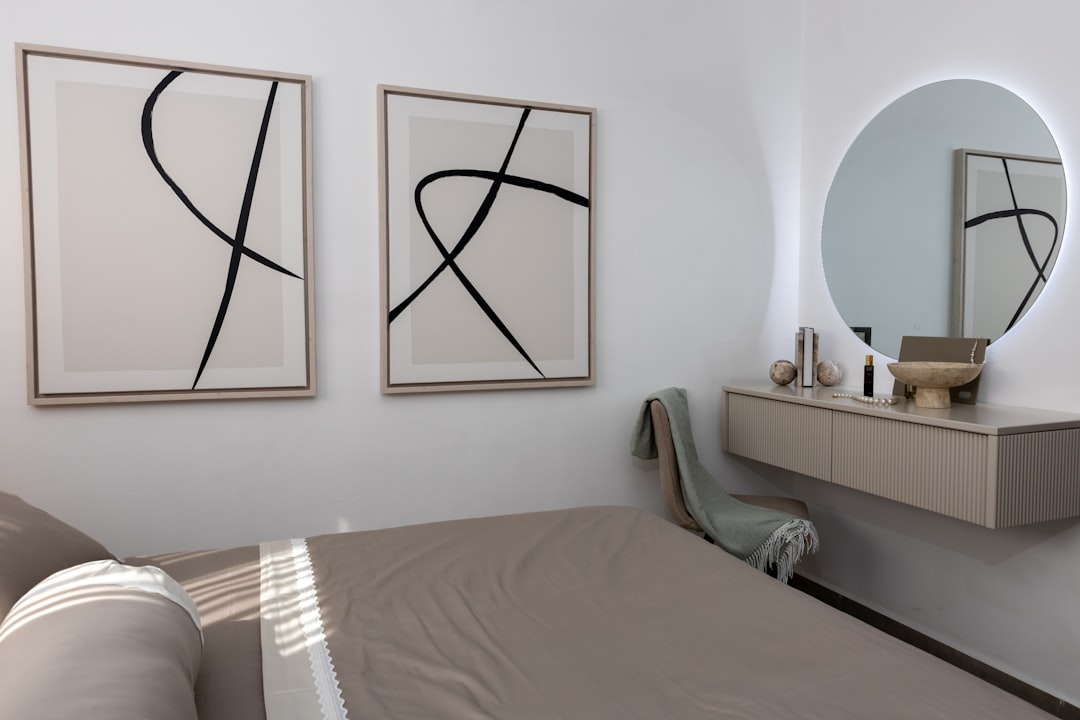
The Ultimate Guide to Minimalist Home Decor for Modern Living
Minimalist home decor is more than just a trend; it’s a lifestyle choice that emphasizes simplicity and functionality. In today’s fast-paced world, many individuals are seeking to create serene environments that reflect their values and priorities. This guide will explore the principles of minimalist decor, its benefits, and practical applications to help you transform your living space into a haven of calm and clarity.
Understanding Minimalism
Minimalism is rooted in the idea that less is more. It encourages individuals to declutter their spaces and focus on what truly matters. By eliminating excess, you can create a more peaceful and organized environment that promotes mental clarity. According to a recent survey, 78% of people reported feeling less stressed in minimalist spaces, highlighting the psychological benefits of adopting this design philosophy.
Key Insight: Embracing minimalism can lead to improved mental well-being, making it a valuable approach for anyone looking to enhance their home environment. The minimalist aesthetic often features neutral color palettes, clean lines, and functional furniture, all of which contribute to a cohesive and inviting atmosphere.
Benefits of Minimalist Decor
One of the primary benefits of minimalist decor is its ability to create a sense of tranquility. By reducing visual clutter, you allow your mind to focus on the essentials, fostering a more relaxed state of being. Additionally, minimalist spaces are often easier to maintain, as fewer items mean less cleaning and organizing. This practicality appeals to busy individuals who value their time and want to create a home that supports their lifestyle.
Moreover, minimalist decor can enhance the overall aesthetic of your home. With carefully selected pieces that serve both form and function, you can create a stylish environment that reflects your personal taste. Investing in quality over quantity ensures that each item in your home contributes to the overall design, making your space feel curated and intentional.
Key Elements of Minimalist Design
When designing a minimalist space, consider incorporating key elements such as neutral colors, natural materials, and functional furniture. A neutral color palette creates a calming backdrop, allowing other design elements to shine. Natural materials like wood, stone, and metal add warmth and texture, making the space feel inviting while maintaining simplicity.
Functional furniture is essential in minimalist design. Pieces that serve multiple purposes, such as a coffee table with storage or a sofa bed, maximize space and reduce clutter. By choosing furniture that aligns with minimalist principles, you can create a harmonious environment that meets your needs without overwhelming your senses.
Practical Tips for Implementing Minimalism
To begin your journey towards a minimalist home, start by decluttering your space. Assess each item and ask yourself if it serves a purpose or brings you joy. If not, consider donating or selling it. This process not only clears physical space but also helps you gain clarity on what you truly value in your home.
Next, focus on creating designated areas for essential items. Organizing your belongings in a way that promotes accessibility and functionality will help maintain the minimalist aesthetic. Utilize storage solutions that blend seamlessly with your decor, such as stylish baskets or hidden compartments, to keep your space tidy without sacrificing style.
Conclusion: Embracing Minimalism in Your Home
Embracing minimalist home decor can lead to a more fulfilling and peaceful living environment. By prioritizing simplicity and functionality, you can create a space that reflects your values and enhances your quality of life. As you embark on this journey, remember that minimalism is not about deprivation; it’s about making intentional choices that align with your lifestyle.
Ultimately, the goal of minimalist decor is to create a home that feels open, inviting, and true to who you are. By implementing the principles outlined in this guide, you can transform your living space into a sanctuary that fosters relaxation and clarity, allowing you to thrive in your modern life.